Glitter Galore Papers V. 11 | Collection: A Designer's Guide
Every designer knows that the right texture can transform a flat, uninspired layout into a tactile masterpiece that demands attention. When working on projects that require depth and a touch of luxury, having reliable assets is crucial. The Glitter Galore Papers V. 11 | Collection offers exactly this, providing a versatile set of digital resources designed to elevate creative projects across various mediums.
Understanding the Visual Design
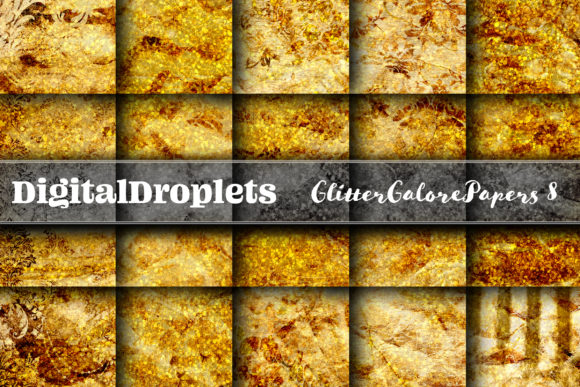
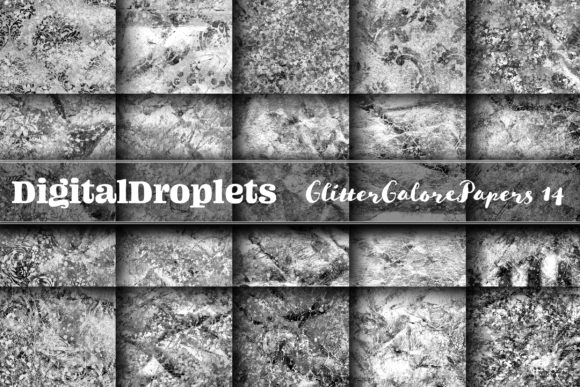
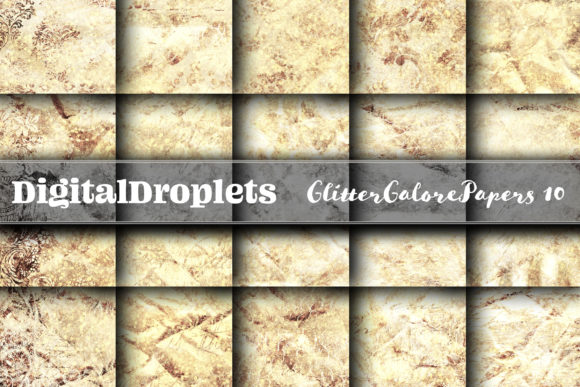
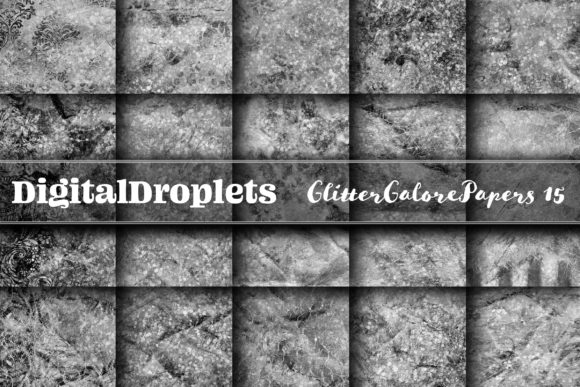
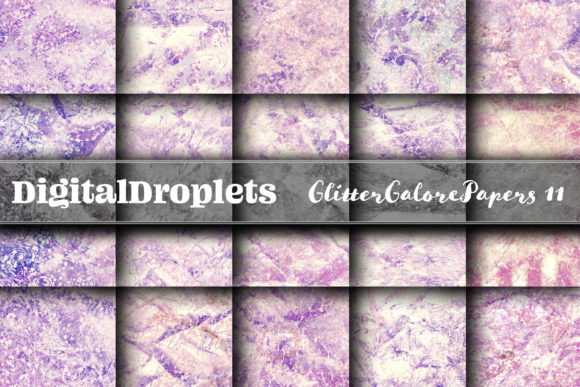
This specific set, the Glitter Galore Papers Vol. 11, consists of 10 high-resolution 12x12 300dpi JPEG files. From a professional standpoint, the value lies in the layering of textures. These aren't just simple sparkles; they feature a crinkle textured background subtly overlaid with intricate lace and damask patterns. The integration of cardboard textures with glitter creates a complex visual hierarchy that works beautifully for vintage or medieval aesthetics. In graphic design, managing visual complexity is key, and these papers balance ornate details with usability.
Strategic Applications in Branding and Marketing
While often associated with personal scrapbooking, textured backgrounds like these have significant potential in commercial branding and marketing. When used correctly, they can help a brand identity stand out in a crowded market. The tactile appearance of the Glitter Galore Papers V. 11 | Collection can evoke specific emotions—nostalgia, elegance, or playfulness—depending on the context.
Consider these practical applications for design workflow:
- Packaging Design: Use these textures as background layers for product labels, especially for artisanal goods, cosmetics, or stationery. The vintage feel communicates a sense of handcrafted quality.
- Social Media Graphics: In the fast-paced world of digital marketing, stopping the scroll is vital. A textured background adds depth to flat posts, making announcements or quotes pop on platforms like Instagram and Pinterest.
- Editorial Layouts: For blog headers or magazine spreads, these papers can serve as a foundation for typography. They provide a rich canvas that supports text without making it illegible, provided the designer manages contrast effectively.
Integrating Textures into Modern Design Trends
Modern aesthetics are increasingly moving away from sterile, flat minimalism toward more organic, "neo-skeuomorphic" designs. Designers are looking for ways to add warmth and humanity to digital interfaces. The Glitter Galore Papers Vol. 11 collection fits perfectly into this trend. The subtle lace and damask overlays offer a sophisticated alternative to standard geometric patterns often found in UI design or web backgrounds.
When incorporating these assets into your design projects, keep the following professional tips in mind:
- Maintain Visual Hierarchy: Because these papers are rich in detail, use them strategically. They work best as backgrounds for focal points or frames rather than behind large blocks of body text where readability is paramount.
- Color Palette Coordination: The neutral, cardboard-like base of these textures makes them adaptable. However, ensure your brand's color palette complements the warm or cool undertones of the glitter and lace to maintain a cohesive visual identity.
- Scalability: Since the files are high-resolution 300dpi JPEGs, they are suitable for both print design and digital use. You can confidently use them for high-quality print materials like invitations, business cards, or merchandise without losing fidelity.
Elevating Creative Projects
The true power of high-quality creative assets lies in their ability to streamline the design process while improving the final output. Whether you are designing a junk journal, creating planner stickers, or assembling a collage, having a library of unique backgrounds saves time and sparks inspiration. The Glitter Galore Papers V. 11 | Collection provides 10 distinct patterns, ensuring variety while maintaining a consistent thematic style.
Ultimately, successful design is about communication. By selecting textures that align with the project's narrative—such as the vintage elegance found in this collection—you enhance the user experience. It moves a design from merely functional to emotionally resonant, ensuring the final product not only looks professional but also connects with the intended audience.